 listicle
Benefits of Professional Property Inspections
Table of Contents
- Why Professional Property Inspections Matter for Vacant Homes
- Key Benefits of Professional Property Inspections
- What to Include in a Vacant Home Inspection Checklist
- How Often to Inspect a Vacant Home
- What Home Watch Inspection Services Cover
- Understanding Your Home Inspection Report
- Conclusion: Protect Your Property with Professional Inspections
- Frequently Asked Questions
Last Updated: October 16, 2026
Why Professional Property Inspections Matter for Vacant Homes
A vacant home can develop a serious problem in a matter of days, and nobody notices until the damage is already done. That is the core reason benefits of professional property inspections matter so much for owners who spend months away.
Water is the most common culprit. A slow supply-line leak behind a refrigerator can soak drywall, feed mold, and warp flooring long before a neighbor thinks to mention anything. A failed sump pump after a heavy rain can flood a basement in hours.
The Hidden Risks of Leaving a Home Unattended
An empty house stops regulating itself. Air conditioning that once cycled daily now sits idle, so humidity climbs and condensation forms on cool surfaces. Pests move in without noise or foot traffic to discourage them.
Criminals also read the signs. An overgrown lawn, a mailbox stuffed with circulars, and no lights at night all say the same thing: nobody is home. Periodic drive-bys and walk-throughs break that pattern.
How Regular Inspections Protect Your Investment
Your home is likely your largest asset, and vacant homes are the most vulnerable properties on any street. A structured schedule of routine inspection visits catches problems while they are still small: a drip before it becomes a flood, a cracked seal before it becomes a mold problem, a loose lock before it becomes a break-in.
Key Benefits of Professional Property Inspections
The benefits of professional property inspections come down to one idea: someone with trained eyes is physically standing in your home on a predictable schedule, documenting what they see. That turns guesswork into a record you can act on from anywhere.
Early Detection of Hidden Defects and Structural Issues
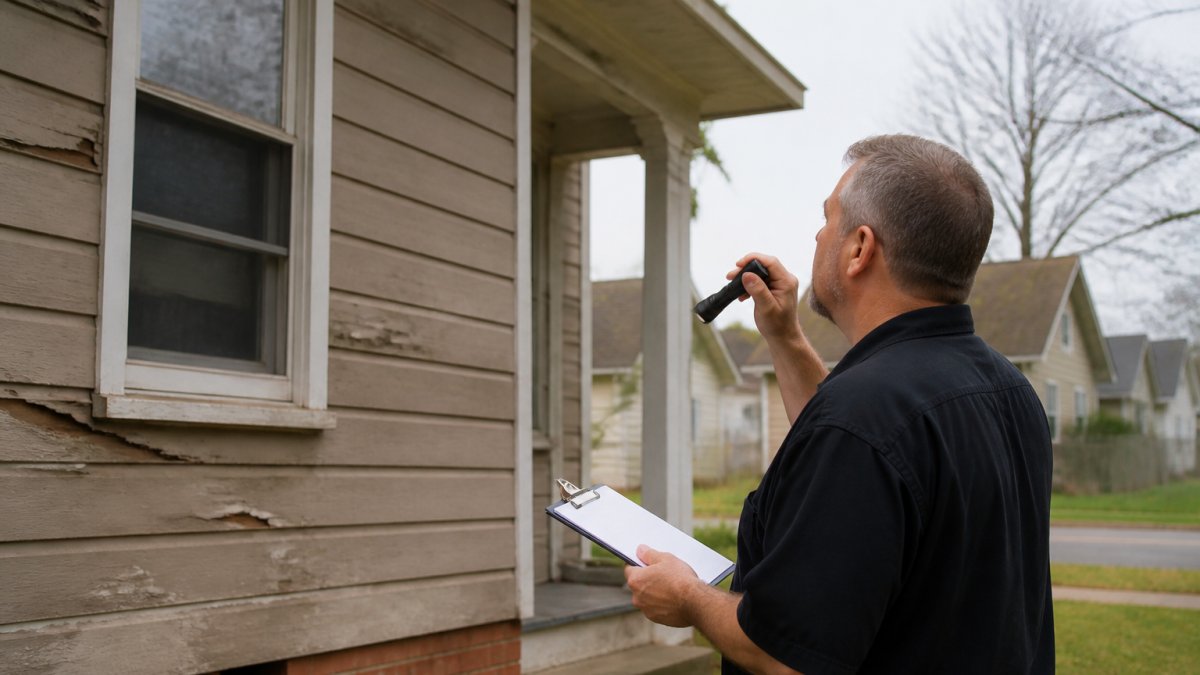
Early detection is where a property condition assessment earns its keep. Inspectors check the areas owners rarely think about: the attic for roof leaks and pest damage, the crawlspace for moisture and wood rot, the water heater pan for rust, and every supply line and shutoff valve.
Structural issues rarely appear overnight. Foundation cracks widen, door frames shift, and floors begin to slope gradually. Catching those changes between visits gives you time to bring in a specialist before the repair bill multiplies.
Reducing Repair Costs and Avoiding Costly Surprises
A small repair caught early almost always costs less than the same problem discovered months later. A dripping valve tightened during a routine visit is a minor fix.
Costly surprises also hit at the worst possible time, usually right when you return or right when you are trying to sell. Documented inspection visits spread the cost of maintenance across the year instead of concentrating it into one painful bill.
Safety Hazards and Occupant Protection
Safety hazards do not wait for you to come back. A gas smell from a failed pilot light, a tripped breaker that keeps resetting, a broken step on the porch, or a dead smoke detector battery all create real danger. Inspectors flag these before anyone walks into the house.
For properties that will host guests, family, or tenants, this matters even more. Occupant safety is a legal and moral responsibility, and documented checks show you took reasonable steps to keep the home safe.
Building Codes and Regulatory Compliance
Regulatory requirements vary by jurisdiction, and many local rules address how long a home may sit vacant and what upkeep is required. Some insurance policies also impose conditions on vacant properties, including how often they must be checked.
A professional inspection service produces dated reports that support compliance and give your insurer or lender a clear record of care.
What to Include in a Vacant Home Inspection Checklist
A vacant home inspection checklist should cover the whole property, inside and out, on every visit. Use this as a starting point:
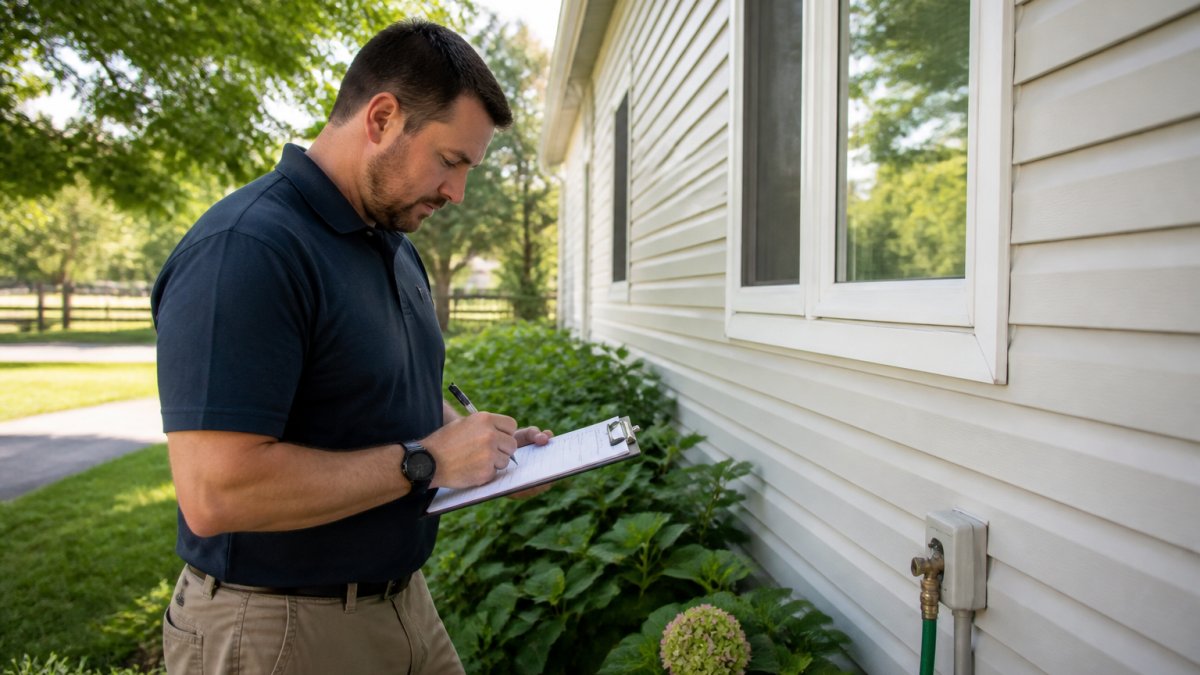
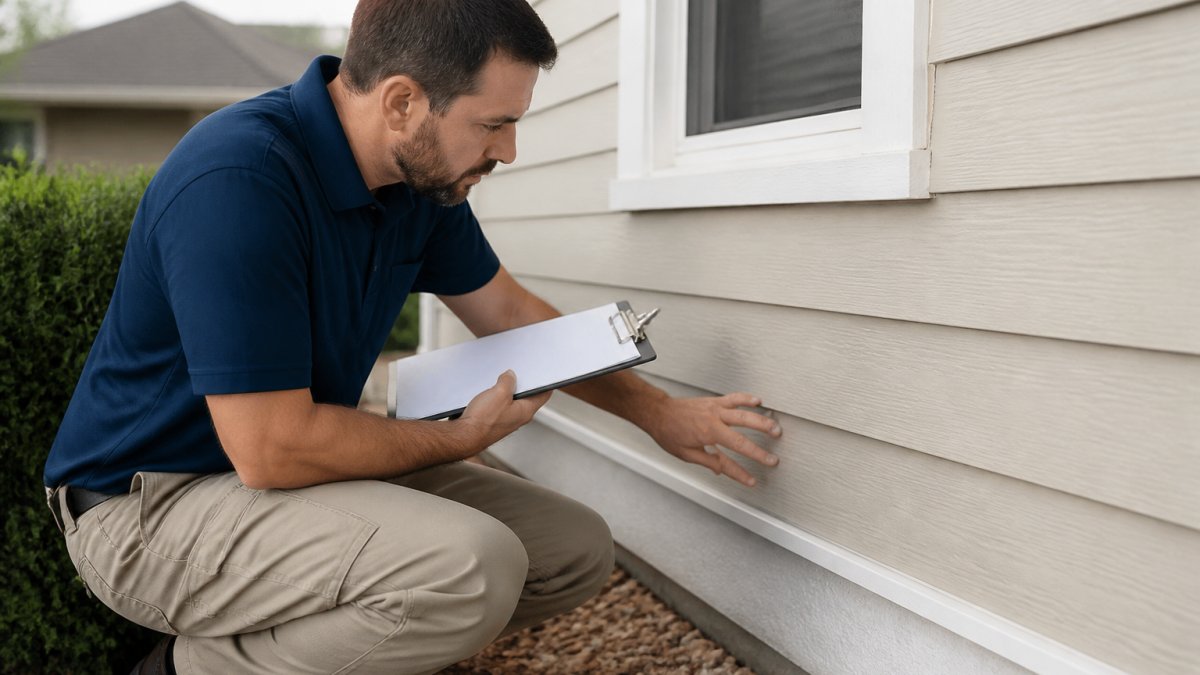
- Walk the exterior for roof damage, siding cracks, and gutter blockages
- Check every window and door for forced entry or broken seals
- Run water at each fixture and look for leaks under sinks
- Confirm the water heater and shutoff valves show no rust or drips
- Test the HVAC system and check the air filter
- Look for moisture, mold, or standing water in the basement or crawlspace
- Inspect for pest activity, droppings, or nests
- Verify smoke and carbon monoxide detectors are working
- Check the mailbox and clear any accumulated mail
- Confirm exterior lighting and timers are functioning
A good inspector photographs each item and notes anything that changed since the last visit. That comparison is what catches slow-moving problems.
How Often to Inspect a Vacant Home
There is no single correct interval, but there is a defensible way to choose one: start with the strictest requirement that applies to you, then tighten it based on the property's risk profile. Most practitioners find that one to two weeks is the practical floor for a truly vacant home, because that is roughly the window in which a slow supply-line leak can become a mold problem and a failed sump pump can become a flooded basement.
A Practical Schedule by Property Type
| Property situation | Common interval | Why |
|---|---|---|
| Single-family home vacant 30+ days, standard risk | Every 7-14 days | Matches typical insurance vacancy conditions and catches water intrusion early |
| Older home with aging plumbing, original wiring, or a basement | Every 7 days | Failure probability is higher and the cost of a missed leak is larger |
| Home in a storm, freeze, or wildfire-risk area | Every 7 days, plus after every major weather event | Damage often happens in a single event, not gradually |
| Newer construction with a monitored alarm and a trusted neighbor | Every 14-21 days | Lower baseline risk, but still needs a physical presence |
| Short-term vacancy (under 30 days) | Once mid-vacancy, plus a pre-return visit | Confirms the home is in the condition you left it |
| Rental between tenants | At turnover, then every 14 days until leased | Protects against undetected leaks and unauthorized entry |
| Home for sale and unoccupied | Every 7-10 days | Showings, weather, and buyer traffic all introduce variables |
Ask your insurer what interval your policy requires, then match or exceed it. If your policy is silent, treat the table above as a starting point and adjust for what you actually see in the reports.
What a Visit Should Actually Cover
Frequency only helps if each visit is thorough. A useful inspection visit covers the exterior (roof from the ground, siding, gutters, foundation line, windows and doors), the interior (every room, ceilings and floors for staining or warping, under every sink), the mechanical systems (water heater, HVAC, electrical panel, sump pump), and the safety equipment (smoke and carbon monoxide alarms, exterior lighting, locks). Each finding should be photographed and compared against the previous visit, the comparison is what reveals a slow leak or a widening crack.
What an Inspection Does Not Cover
A standard visual inspection is non-invasive. It does not open walls, pull up flooring, test soil, or evaluate concealed plumbing and wiring. It is not a pest control service, a mold assessment, an engineering evaluation, or an environmental test. When a report flags something outside that scope, active termite evidence, suspected mold, a structural crack that is widening, the right next step is a licensed specialist in that specific discipline. Knowing the boundary of a general inspection is part of getting value from it.
How to Verify the Inspector You Hire
Before you hand over keys, confirm four things:
- Insurance. Ask for a certificate of general liability coverage and, if the inspector will be on the property alone, proof of workers' compensation or a comparable policy. An uninsured inspector injured on your property is your problem.
- A sample report. Ask to see a redacted report from a comparable property. You are looking for photographs, dated entries, and clear severity language, not a paragraph of prose.
- A written scope. The agreement should state what is inspected, what is excluded, how often visits occur, and how quickly you receive the report.
- Independence and references. Confirm the inspector is not also selling the repairs they recommend, and ask for two or three references from owners of similar properties.
The Cost Side of the Equation
Pricing for recurring home-watch and inspection visits is typically quoted per visit or as a monthly plan, and it scales with distance, property size, and how much the visit covers. The comparison that matters is not the visit fee against zero, it is the visit fee against the deductible and the out-of-pocket cost of the loss it prevents. A single undetected supply-line leak that soaks drywall, warps flooring, and requires mold remediation routinely runs into the thousands of dollars, which is why most owners treat the inspection schedule as insurance rather than an expense.
What Home Watch Inspection Services Cover
Home watch inspection services provide a scheduled, documented presence at your property while you are away. A typical visit includes a full walk-through, system checks, photo documentation, and a written report sent to you the same day.
Semper Fidelis Home Watch Services, LLC offers customizable basic and concierge plans built around your property and travel schedule. Our comprehensive visual inspections cover security, water damage, and pests, and we handle storm response coordination and vendor meeting oversight when repairs are needed.
Understanding Your Home Inspection Report
A home inspection report is the written record of what an inspector observed, with photos and notes organized by area and severity.
Reports typically separate findings into three groups: urgent items needing immediate attention, maintenance items to schedule soon, and minor observations to monitor. Read the urgent section first. Then prioritize repairs by risk and cost, not by how annoying they are.
Keep every report. A stack of dated inspection records demonstrates consistent care, which helps with insurance claims, buyer confidence, and seller transparency during a sale.
Conclusion: Protect Your Property with Professional Inspections
Every week a home sits empty is a week nobody is watching for leaks, break-ins, or system failures. Semper Fidelis Home Watch Services, LLC closes that gap with scheduled visual inspections, photo-documented reports, storm response coordination, and flexible basic and concierge plans designed around how long you are away. Contact us to set up a plan and travel knowing your property is being looked after.
Frequently Asked Questions
What problems can a professional property inspection uncover?
A professional property inspection can reveal hidden defects such as water leaks, mold growth, pest infestations, structural issues, and safety hazards like faulty wiring or gas leaks. Inspectors also check that building systems like HVAC, plumbing, and electrical are functioning correctly. Early detection of these problems allows you to address them before they escalate into costly repairs, preserving your property's value and ensuring occupant safety.
How often should a vacant home be inspected?
The frequency depends on factors like location, season, and insurance requirements. Many insurance policies require inspections every 30 days for vacant homes. In areas with extreme weather or higher risk of vandalism, weekly or bi-weekly inspections are recommended. A professional home watch service can help you determine the ideal schedule based on your property's specific needs and local conditions.
What does a home watch inspection include?
Home watch inspections typically include a visual check of the property's exterior and interior, looking for signs of damage, intrusion, or maintenance issues. Inspectors verify that security systems are armed, check for water leaks, test smoke detectors, and ensure that HVAC systems are running. They may also coordinate with vendors for repairs and provide detailed reports with photos. Services can be customized to meet your specific needs.
Can regular property inspections help prevent costly repairs?
Yes, regular property inspections are key to preventative maintenance. By catching small issues like a dripping pipe or a cracked window early, you can avoid major damage like mold growth or structural deterioration. Inspections also help you prioritize repairs and budget for maintenance, ultimately saving you money and extending the life of your property's systems and structure.