 how-to
How to Verify Home Watch Insurance: 7-Step Guide
Table of Contents
- Why Verifying Home Watch Insurance Protects You
- What Insurance a Home Watch Provider Should Carry
- How to Read a Home Watch Certificate of Insurance
- Step-by-Step: How to Verify Home Watch Insurance
- Questions to Ask a Home Watch Provider Before Hiring
- What Your Home Watch Service Agreement Should Include
- When Coverage Cannot Be Confirmed
- Conclusion: Make Insurance Verification a Non-Negotiable Step
- Frequently Asked Questions
Last Updated: October 14, 2026
Why Verifying Home Watch Insurance Protects You
Verifying home watch insurance means confirming the company watching your vacant property carries active liability coverage before you hand over a key, so you don't pay out of pocket when something goes wrong. At Semper Fidelis Home Watch Services, LLC, that question comes up in nearly every first conversation with a seasonal homeowner.
Your homeowner policy and your provider's policy are two different things, and only one responds when a stranger is inside your house.
The Difference Between Your Policy and Theirs
Your homeowner policy covers your property against named risks, but not a home watch provider's negligence, theft, or a slip on your stairs.
Their liability policy covers injuries and damage that happen while they perform a property inspection.
Many insurers now require documented visits once a home sits vacant past a set number of days. If nobody is checking, a claim for a burst pipe or break-in can be reduced or denied, so the provider's paperwork is part of keeping your own coverage intact.
What Insurance a Home Watch Provider Should Carry
A home watch provider should carry at least two policies: general liability for property damage and bodily injury, and professional liability for mistakes made during the service itself. One without the other leaves a gap you'd fill.
General Liability and Property Damage Coverage
General liability responds when the provider damages your home or injures someone on your property, a cracked window, a scratched floor, or a fall on an icy walkway during a security walkthrough. Look for property damage limits that match your home's value, bodily injury coverage for anyone on site, and personal injury coverage for claims like wrongful entry.
Professional Liability and Errors and Omissions
Professional liability, often called errors and omissions, covers the service itself. If a provider misses a slow leak during a visual inspection and the damage spreads, this is the policy that responds, general liability would not.
How to Read a Home Watch Certificate of Insurance
A certificate of insurance, often called a COI or an ACORD 25 form, is a one-page summary your provider's insurance agent issues to show that coverage exists.
The Fields That Actually Matter
These fields decide whether you are protected:
- Named insured, must match the legal business name you are hiring, not a trade name, an owner's personal name, or an unfamiliar parent company.
- Insurer (carrier), the actual insurance company. This is who you call to confirm the policy is live.
- Policy number, the identifier the carrier uses. Without it, you cannot verify anything.
Certificate Holder vs. Additional Insured: The Trap Most Homeowners Fall Into
A certificate holder is simply the person or entity the certificate was issued to.
An additional insured is a formal endorsement that extends coverage to you for claims arising out of the provider's work.
If you want additional insured status, ask in writing before you sign the service agreement. Many carriers add it at no cost; some charge a small fee.
Why the Source of the Certificate Matters
A certificate forwarded as a PDF from the provider can be edited, fields changed, dates moved, limits inflated. That's why a certificate alone is not verification.
Ask for the certificate to be sent directly from the insurance agent or carrier to you. A direct send from the agency's email domain is far harder to fabricate. If the provider insists on forwarding it, call the carrier directly before you sign.
Red Flags That Signal Incomplete or Expired Coverage
Watch for these on any certificate you receive:
- No policy number, or a policy number that does not match what the carrier confirms
- A named insured that does not match the business you are hiring
- An expiration date that falls before your service period ends
A certificate is a snapshot of what the agent believed was true on the day it was issued. The only way to know what's true today is to call the carrier and confirm the policy is active, the named insured is correct, and the coverage extends to home watch work.
Step-by-Step: How to Verify Home Watch Insurance
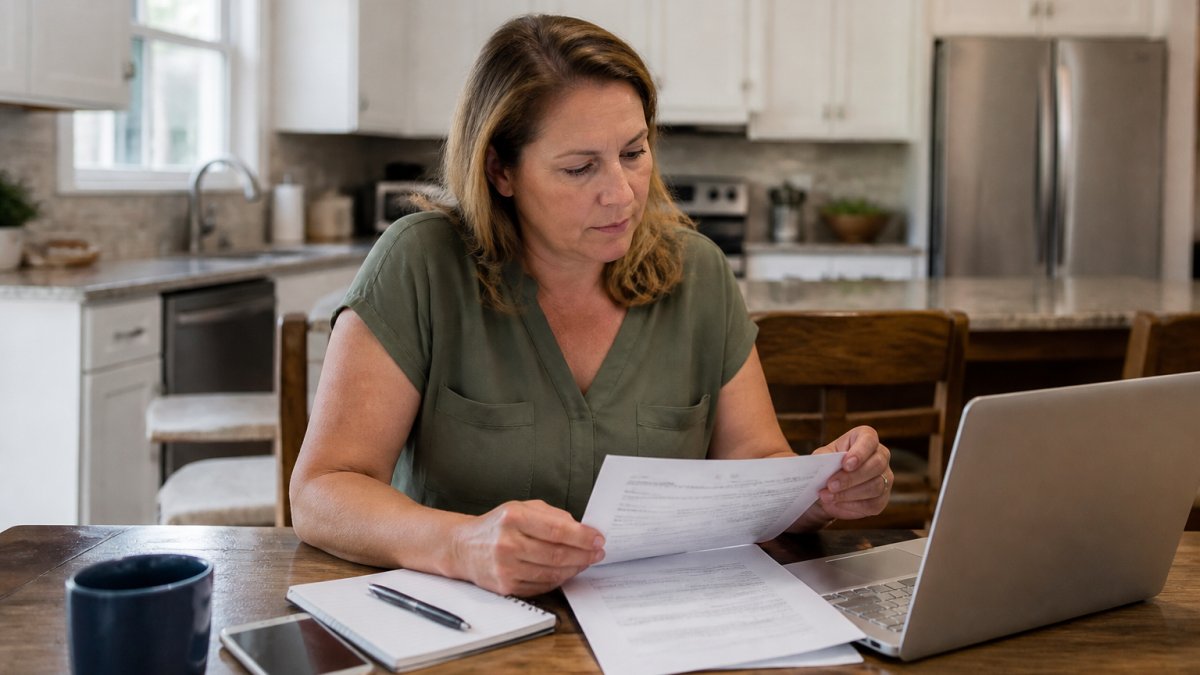
Verification takes about 15 minutes if you follow a fixed order. Do it before signing a home watch service agreement, not after.
- Request the certificate in writing. Ask for a certificate of insurance naming you as additional insured.
- Confirm the named insured matches. The company on the certificate must be the company you're hiring.
- Check the effective and expiration dates. Coverage must span your entire absence.
- Note the policy number and carrier. You'll need both for the next step.
- Call the carrier directly. Ask if the policy is active and what it covers.
- Confirm activity-specific coverage. Ask whether home watch, property inspection, and security walkthrough work are covered.
- Save everything. Keep the certificate, your notes, and the carrier confirmation in one folder.
Call the Insurance Carrier Directly
Find the carrier's main claims or policy service number yourself, not the one printed on the certificate, and ask three questions:
- Is this policy active today?
- Does it cover home watch and property inspection services?
- What are the liability limits and exclusions?
Write down the name of the person you spoke to and the date. That record matters if you ever file an insurance claim.
Questions to Ask a Home Watch Provider Before Hiring
Ask these before you sign anything:
- What are your general liability and professional liability limits?
- Can you add me as an additional insured?
- How do you document each home visit?
That last one matters more than most homeowners expect: many carriers want proof of regular documented visits, and a report with photos and timestamps satisfies it.
| Question | Why It Matters | What a Good Answer Looks Like |
|---|---|---|
| Liability limits | Sets your protection ceiling | Limits that match your home's value |
| Additional insured | Gives you direct policy rights | "Yes, at no cost to you" |
| Visit documentation | Supports your own claim | Time-stamped photos and GPS check-in |
| Carrier confirmation | Proves coverage is real | "Call them, here's the number" |
What Your Home Watch Service Agreement Should Include
Your home watch service agreement should spell out the scope of work, visit frequency, and insurance requirements in writing. A handshake won't hold up when you file a property damage claim.
The contract should state:
- The named insured and required policy limits
- Visit frequency and what each home visit includes
- How visits are documented and reported to you
If the agreement is silent on insurance, ask for it in writing before you sign. Verbal assurances disappear the moment there's a dispute.
When Coverage Cannot Be Confirmed
Most verification conversations end cleanly: the certificate arrives, the carrier confirms the policy, and you move on. The harder case is when something doesn't add up, an expired certificate, a carrier with no record of the policy number, a provider who says the certificate is "coming" and never sends it, or a policy that covers general liability but not the inspection work itself.
Step 1: Separate a Paperwork Problem from a Coverage Problem
A missing or incomplete certificate isn't always a sign of no coverage, often it's a slow agent, a busy season, or a provider who's never been asked. Before assuming the worst, ask directly:
- "Can your agent email the certificate to me today?"
- "Can you add me as an additional insured, and if so, how long does that take?"
- "What is the name of your carrier and the policy number so I can confirm it myself?"
A provider with real coverage can usually answer all three within a day; one without it will deflect, delay, or change the subject.
Step 2: Match the Response to the Situation
Not every gap is disqualifying. Use this decision path:
- Certificate is late but the provider is responsive and the carrier confirms coverage. Proceed, but don't sign until the certificate is in hand and you've confirmed the policy directly. A verbal confirmation is not a substitute for the document.
- Certificate is expired, but the provider says the policy renewed. Ask for the renewal certificate with new effective and expiration dates. If it doesn't arrive within a few days, treat it as no coverage.
- Named insured does not match the business you are hiring. A parent company, franchise, or DBA can be legitimate, but the certificate must reflect the entity performing the work and holding your key. If the explanation is vague, walk away.
Step 3: Check What Your Own Policy Requires
Before committing to any provider, confirm what your homeowner policy requires during an extended absence. Many carriers require documented visits at a set interval and proof of those visits if you file a claim.
Call your own agent and ask:
- Does my policy have a vacancy or unoccupancy clause?
- How many days can the home sit vacant before coverage is affected?
- What documentation do you need to see if I file a claim during an absence?
If your carrier has requirements, put them in writing to the provider before you sign. A provider who can't meet them isn't a fit, regardless of how the certificate looks.
Step 4: Document the Decision Either Way
If you proceed, keep one folder with the certificate, your carrier-call notes, the name of the person you spoke to, the date, and any additional insured endorsement. If you walk away, keep the same notes. If a claim arises, the record of what you verified and when protects you.
Conclusion: Make Insurance Verification a Non-Negotiable Step
Verification is a 15-minute task that protects a six-figure asset. Do it before you sign, keep the paperwork, and confirm coverage with the carrier directly.
At Semper Fidelis Home Watch Services, LLC, every plan is built around documented visits, storm response coordination, and vendor meeting oversight. We provide proof of insurance up front. Our basic and concierge plans are priced on our website.
Frequently Asked Questions
How do I verify a home watch company's insurance?
Ask the provider for a certificate of insurance, then call the insurance carrier directly using the phone number on the certificate (not a number the provider gives you). Confirm the policy is active, the named insured matches the business, and the coverage types and limits match what you need. This three-step check catches expired policies, altered certificates, and gaps that a quick glance would miss.
Does a home watch provider's insurance cover damage to my home?
It depends on the policy. General liability coverage typically responds to third-party bodily injury and property damage the provider causes, such as a technician accidentally breaking a window or leaving a faucet running. It usually does not cover your home's pre-existing conditions, normal wear, or damage from storms. Review the policy exclusions carefully and confirm whether your own homeowner policy requires documented inspections while the property is vacant.
What should I check on a home watch certificate of insurance?
Verify five fields: the named insured (must match the business you hired), the policy effective and expiration dates, the coverage types (general liability, professional liability, and any bonding), the liability limits, and the insurance carrier's contact information. Also check whether you or your property are listed as additional insured if your homeowner policy requires it. Any missing field is a reason to ask for a corrected certificate before signing a service agreement.
What should I do if a home watch provider cannot provide proof of insurance?
Do not sign a service agreement or grant property access until you receive a valid certificate of insurance. If the provider stalls, offers excuses, or provides a document you cannot verify with the carrier, treat that as a disqualifying red flag. You can ask for a replacement provider, request that coverage be added before work begins, or hire a different company. An uninsured provider leaves you exposed to property damage claims and potential liability if someone is injured on your property during a home visit.
Contact Semper Fidelis Home Watch Services, LLC to set up a plan and get the documentation your insurer wants.