 how-to
How Often Should a Home Be Checked? 2026 Guide
Table of Contents
- How Often Should a Home Be Checked? The Short Answer
- What Does a Home Watch Service Include?
- Vacant Home Inspection Frequency: How Absence Changes the Schedule
- Your Home Watch Inspection Checklist: Room-by-Room and System-by-System
- Using a Home Watch Service for Leak Detection and Water Damage
- Seasonal Maintenance and Post-Storm Inspections
- What Homeowners Can Check Themselves vs. When to Hire a Professional
- Prioritizing Findings and Planning Repairs
- Frequently Asked Questions
Last Updated: October 12, 2026
How Often Should a Home Be Checked? The Short Answer
A home should be home checked at least once a month, and a vacant home every one to two weeks. The right schedule depends on whether someone lives there, the age of the house, and the season.
At Semper Fidelis Home Management Services, LLC, we have spent over 10 years watching homes across Franklin County and Youngsville, NC for owners who travel, relocate, or winter elsewhere.
What Does a Home Watch Service Include?
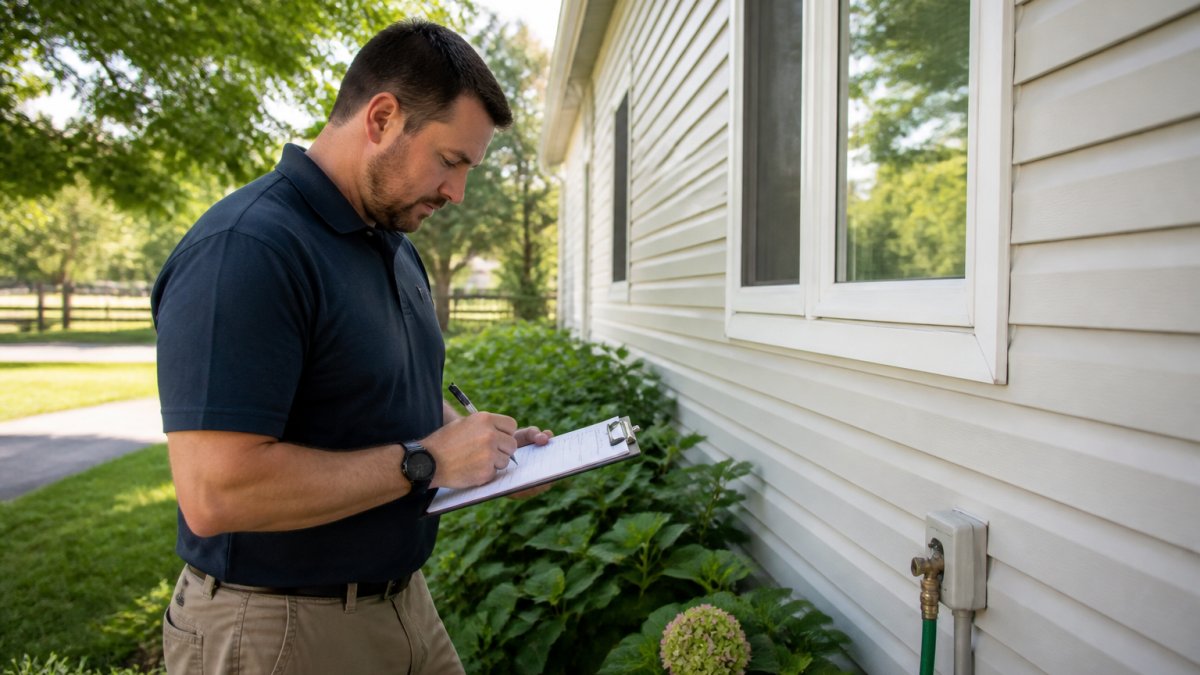
A home watch service is a scheduled visual inspection of a property while the owner is away, ensuring the home checked for security, water damage, pests, and key systems. A typical visit includes:
- A full walk-through of every room and the exterior
- Checks on water valves, the water heater, and the HVAC system
- A look at the roof line and ceilings for stains or leaks
Professional Inspections vs. Homeowner Walk-Throughs
A homeowner walk-through is a quick look you do yourself. A professional inspection follows a documented checklist and produces a report you can file or send to your insurer.
That difference matters: insurance carriers often want proof a vacant home was monitored. A dated report with photos gives you that proof; a neighbor's text message does not.
Vacant Home Inspection Frequency: How Absence Changes the Schedule
A vacant home needs checking every one to two weeks. Empty houses fail faster: no one runs water through the pipes, no one opens windows, and small problems go unseen for weeks.
Here is how the schedule shifts by situation:
| Situation | Recommended Frequency | Why |
|---|---|---|
| Occupied home | Monthly self-check | You catch issues as they appear |
| Vacant under 30 days | Weekly | Fast response to leaks or break-ins |
| Vacant 30+ days | Every 1-2 weeks | Many insurers require documented checks |
| Seasonal rental between guests | After every turnover | Catches damage before the next booking |
| Post-storm | Within 48 hours | Storm damage worsens quickly |
The Tiered Schedule: What to Check Monthly, Seasonally, Annually, and Every Few Years
Most advice mixes two different things: the quick walk-through a homeowner does and the documented inspection a professional performs. Use this calendar as your baseline, then tighten it for older homes, vacant properties, or known moisture and pest problems.
Monthly (homeowner or home watch)
- Run every faucet and flush every toilet to keep trap seals from drying out
- Look under sinks, around the water heater, and at the base of the washing machine for drips
- Test smoke and carbon monoxide detectors
Seasonally (four times a year)
- Spring: inspect the roof line for winter damage, clear gutters, test the air conditioner before the first hot week
- Summer: check for pest nests, monitor crawlspace and basement humidity, look for condensation on ductwork
- Fall: drain outdoor lines before the first freeze, service the furnace, replace filters, seal gaps around windows and doors
Annually (professional)
- Full whole-home inspection covering roof, attic, foundation, electrical panel, plumbing, and HVAC
- Chimney and dryer-vent cleaning
- Water heater flush and anode-rod check
Every few years
- Sewer line camera scope (especially on homes over 25 years old or with mature trees nearby)
- Radon test, particularly after any foundation work or if the home has never been tested
- Roof replacement evaluation once shingles pass the 15- to 20-year mark
How Home Age, Climate, and Property Type Shift the Timeline
Older homes need more frequent checks. A house built decades ago has older plumbing, wiring, and roofing, each failing on its own timeline.
Climate adds another layer. In humid regions, warm summers feed mold and pests, while hard freezes threaten pipes.
Property type matters too. A crawlspace home traps moisture differently than a slab home, so it warrants more frequent under-floor checks.
When to Tighten the Schedule
Move to the more frequent end of every range if any of these apply:
- The home has had a prior water intrusion, mold, or pest issue
- The home is vacant more than 30 days at a stretch
- The home is in a region with severe storms, hard freezes, or high humidity
When in doubt, a documented visit is cheaper than a repair. One extra check per month is trivial next to a single water-damage claim.
Your Home Watch Inspection Checklist: Room-by-Room and System-by-System
A home watch inspection checklist should cover every room and every major system on each visit. This is the checklist we work from:
Interior rooms
- Check ceilings and walls for stains, cracks, or bubbling paint
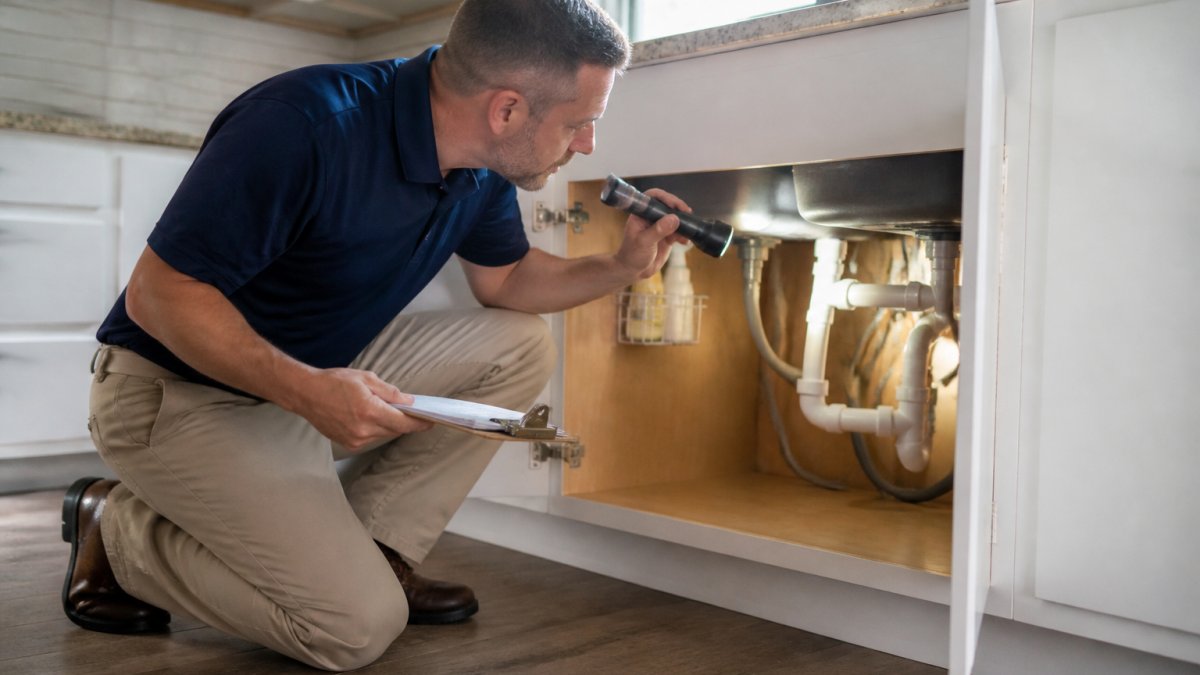
- Look under every sink for drips or moisture
- Run faucets and flush toilets to keep traps filled
Systems
- Test the HVAC system and change filters as needed
- Check the water heater for rust or leaks
- Confirm the main water valve works
Exterior and structure
- Walk the roof line for missing shingles or debris
- Check the foundation and crawlspace for moisture or pests
- Clear gutters and downspouts
- Confirm the sump pump runs
Using a Home Watch Service for Leak Detection and Water Damage
Water damage is the most common problem we find. A home watch service for leak detection catches moisture before it becomes mold, warped floors, or a structural repair.
Most leaks start small.
Early detection is the whole game. A two-minute check under a sink can save thousands in repairs. That is why we treat moisture as the top priority on every visit.
Seasonal Maintenance and Post-Storm Inspections
Seasonal checks should run four times a year, with extra visits after major storms.
Spring
- Check the roof for winter damage
- Clear gutters and check for pest nests
- Test the air conditioner before the first hot week
Fall
- Drain outdoor lines before the first freeze
- Check the furnace and replace filters
- Seal gaps around windows and doors
Post-storm
- Inspect the roof and siding within 48 hours
- Check for water intrusion around windows and doors
- Look for downed limbs and damaged gutters
A post-storm inspection matters because storm damage gets worse with time. A lifted shingle becomes a leak. A leak becomes a ceiling stain. A ceiling stain becomes a mold problem.
What Homeowners Can Check Themselves vs. When to Hire a Professional
Homeowners can safely handle routine visual checks. Anything involving the roof, electrical panel, or crawlspace should go to a professional, since those tasks carry real injury and liability risk and may require tools, access, or documentation a homeowner does not have.
Safe for Most Homeowners
- Running faucets and flushing toilets
- Looking under sinks, around the water heater, and behind the washing machine for drips or staining
- Testing smoke and carbon monoxide detectors with the test button
- Replacing HVAC filters
Hire a Professional
- Walking the roof or climbing to inspect shingles, flashing, or chimney
- Opening the electrical panel or diagnosing any wiring issue
- Entering a crawlspace, especially one with standing water, poor ventilation, or pest activity
- Servicing the HVAC system, water heater, or gas appliances
Safety Cautions
A few rules keep a routine check from becoming an emergency. Never walk a roof in wet, icy, or windy conditions, or one you are not trained to access. Treat the electrical panel as off-limits unless qualified. Do not enter a crawlspace with standing water, visible mold, or signs of rodents. If you smell gas, leave and call the utility from outside.
Escalation Criteria: When a Check Becomes a Call
A homeowner check turns into a professional call when any of these appear:
- Water you cannot trace to a fixture, or moisture that returns after drying
- A ceiling stain that grows, or paint that bubbles
- A breaker that trips repeatedly, or any burning smell near an outlet
- A soft or spongy floor, or a door that suddenly stops latching
What Professional Inspections Cost and What Drives the Price
Costs vary widely by region, home size, and scope, so treat any figure as a range. A standalone whole-home inspection typically runs a few hundred dollars, with larger or older homes and add-ons like sewer scoping, radon testing, or termite inspection pushing the total higher. Recurring home watch visits are priced per visit or as a monthly plan, and the per-visit rate drops as frequency increases.
What moves the price:
- Square footage and number of systems
- Home age and known problem areas
- Add-on services (sewer scope, radon, mold, pest)
- Travel distance for the inspector
Documenting Findings and Planning Repairs
Every professional visit should end with a written report and dated photos. That record gives you a baseline for the next visit, supports insurance claims if something fails, and satisfies carriers requiring proof a vacant home was monitored.
If you are away for weeks at a time, you cannot do the weekly checks yourself, exactly when small problems turn into big ones.
Prioritizing Findings and Planning Repairs
Prioritize findings by risk, not cost. Safety hazards and active water intrusion come first; cosmetic issues can wait.
Use this order:
- Safety hazards - gas leaks, exposed wiring, broken detectors
- Active water damage - leaks, moisture, mold
- Security issues - broken locks, forced entry, open windows
- Structural concerns - foundation cracks, roof damage
- Cosmetic issues - paint, minor wear and tear
Group repairs into "now," "this season," and "next year" so you do not overspend on small items while a real problem grows.
That is where Semper Fidelis Home Management Services, LLC earns its keep. We coordinate with trusted vendors, meet contractors on site, and handle storm response so you are not scrambling from out of state.
Frequently Asked Questions
How often should someone check on your house while you are away?
For a vacant home, a professional home watch visit every 7 to 14 days is the standard recommendation. Weekly visits catch active leaks, pest activity, and security issues before they become expensive repairs. Monthly checks leave too much time between visits for water damage or mold to spread unnoticed. If your insurance policy includes a vacancy clause, it may require documented inspections at specific intervals, so confirm the exact frequency your carrier expects.
What should be checked during a home watch visit?
A thorough home watch inspection covers the exterior for storm damage and pest entry points, the interior for moisture, leaks, and temperature control, and all major systems including HVAC, plumbing, and electrical panels. Inspectors also flush toilets and run faucets to keep traps from drying out, check for mold and mildew, verify security alarms and locks, and look for signs of rodents or insects. Each visit should end with a written report documenting the property's condition.
How often should you inspect a home for leaks?
Homeowners should visually check under sinks, around water heaters, and near appliances monthly. A professional home watch service for leak detection should inspect these areas every 7 to 14 days when the home is vacant. Water damage can begin within 24 to 48 hours of a slow leak, and mold can develop in under a week. Early detection through routine inspections is the most reliable way to prevent costly repairs.
Is a home watch service the same as a home inspection?
No. A home inspection is a one-time, in-depth evaluation performed by a licensed inspector, typically during a real estate transaction. A home watch service provides ongoing, recurring visits to monitor a property while it is vacant or the owner is away. Home watch visits focus on security, maintenance issues, and early problem detection rather than a full structural assessment. The two services serve different purposes and often complement each other.
Managing a home from a distance is hard, and a single missed leak or break-in can undo years of care. Semper Fidelis Home Management Services, LLC takes that worry off your plate with scheduled visual inspections, storm response coordination, and vendor meeting oversight. Our customizable basic and concierge plans fit owners who are away for a season or away for good. Get started with Semper Fidelis Home Management Services, LLC and travel knowing your home is watched.